;%20}%20.cls-3%20{%20fill:%20none;%20}%20.cls-4%20{%20fill:%20url(%23Gradiente_sem_nome_8);%20}%20%3c/style%3e%3clinearGradient%20id='Gradiente_sem_nome_8'%20data-name='Gradiente%20sem%20nome%208'%20x1='42.56'%20y1='1058.47'%20x2='1918.26'%20y2='-1.54'%20gradientUnits='userSpaceOnUse'%3e%3cstop%20offset='.31'%20stop-color='%232c323c'/%3e%3cstop%20offset='.51'%20stop-color='%23333a46'/%3e%3cstop%20offset='.85'%20stop-color='%23485261'/%3e%3cstop%20offset='.98'%20stop-color='%23525d6d'/%3e%3c/linearGradient%3e%3cpattern%20id='New_Pattern'%20data-name='New%20Pattern'%20x='0'%20y='0'%20width='120'%20height='100'%20patternTransform='translate(6891.5745%201304.8193)'%20patternUnits='userSpaceOnUse'%20viewBox='0%200%20120%20100'%3e%3cg%3e%3crect%20class='cls-3'%20width='120'%20height='100'/%3e%3cg%3e%3cpolygon%20class='cls-1'%20points='120%20116.33%20102.22%2098.55%20102.22%2092.4%20108.26%2086.36%20114.42%2086.36%20119.95%2091.9%20125.34%2086.51%20126.05%2087.22%20119.95%2093.31%20114%2087.36%20108.67%2087.36%20103.22%2092.81%20103.22%2098.14%20120%20114.92%20136.82%2098.1%20137.53%2098.8%20120%20116.33'/%3e%3cpolygon%20class='cls-1'%20points='114.56%20110.18%20113.85%20109.48%20136.82%2086.51%20137.53%2087.22%20114.56%20110.18'/%3e%3c/g%3e%3cg%3e%3cpolygon%20class='cls-1'%20points='0%20116.33%20-17.78%2098.55%20-17.78%2092.4%20-11.74%2086.36%20-5.58%2086.36%20-.05%2091.9%205.34%2086.51%206.05%2087.22%20-.05%2093.31%20-6%2087.36%20-11.33%2087.36%20-16.78%2092.81%20-16.78%2098.14%200%20114.92%2016.82%2098.1%2017.53%2098.8%200%20116.33'/%3e%3cpolygon%20class='cls-1'%20points='17.67%2092.62%2016.67%2092.62%2016.67%2087.36%2011.45%2087.36%2011.45%2086.36%2017.67%2086.36%2017.67%2092.62'/%3e%3cpolygon%20class='cls-1'%20points='-5.44%20110.18%20-6.15%20109.48%2016.82%2086.51%2017.53%2087.22%20-5.44%20110.18'/%3e%3c/g%3e%3cg%3e%3cpolygon%20class='cls-1'%20points='120%2016.33%20102.22%20-1.45%20102.22%20-7.6%20108.26%20-13.64%20114.42%20-13.64%20119.95%20-8.1%20125.34%20-13.49%20126.05%20-12.78%20119.95%20-6.69%20114%20-12.64%20108.67%20-12.64%20103.22%20-7.19%20103.22%20-1.86%20120%2014.92%20136.82%20-1.9%20137.53%20-1.2%20120%2016.33'/%3e%3cpolygon%20class='cls-1'%20points='114.56%2010.18%20113.85%209.48%20136.82%20-13.49%20137.53%20-12.78%20114.56%2010.18'/%3e%3c/g%3e%3cg%3e%3cpolygon%20class='cls-1'%20points='60%2066.33%2042.22%2048.55%2042.22%2042.4%2048.26%2036.36%2054.42%2036.36%2059.95%2041.9%2065.34%2036.51%2066.05%2037.22%2059.95%2043.31%2054%2037.36%2048.67%2037.36%2043.22%2042.81%2043.22%2048.14%2060%2064.92%2076.82%2048.1%2077.53%2048.8%2060%2066.33'/%3e%3cpolygon%20class='cls-1'%20points='77.67%2042.62%2076.67%2042.62%2076.67%2037.36%2071.45%2037.36%2071.45%2036.36%2077.67%2036.36%2077.67%2042.62'/%3e%3cpolygon%20class='cls-1'%20points='54.56%2060.18%2053.85%2059.48%2076.82%2036.51%2077.53%2037.22%2054.56%2060.18'/%3e%3c/g%3e%3cg%3e%3cpolygon%20class='cls-1'%20points='0%2016.33%20-17.78%20-1.45%20-17.78%20-7.6%20-11.74%20-13.64%20-5.58%20-13.64%20-.05%20-8.1%205.34%20-13.49%206.05%20-12.78%20-.05%20-6.69%20-6%20-12.64%20-11.33%20-12.64%20-16.78%20-7.19%20-16.78%20-1.86%200%2014.92%2016.82%20-1.9%2017.53%20-1.2%200%2016.33'/%3e%3cpolygon%20class='cls-1'%20points='-5.44%2010.18%20-6.15%209.48%2016.82%20-13.49%2017.53%20-12.78%20-5.44%2010.18'/%3e%3c/g%3e%3c/g%3e%3c/pattern%3e%3c/defs%3e%3cg%20id='Layer_1'%20data-name='Layer%201'%3e%3crect%20class='cls-4'%20x='0'%20y='.07'%20width='1920'%20height='1079.86'/%3e%3crect%20class='cls-2'%20x='0'%20width='1920'%20height='1079.86'/%3e%3c/g%3e%3c/svg%3e)

Child Safeguarding
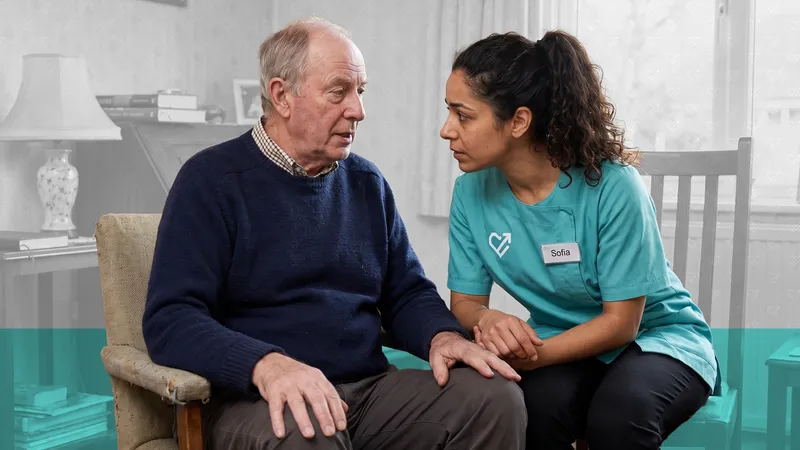
Most of your visits are to adults. But children live in, and visit, the homes you work in, and you may be the only professional who sees them from one week to the next. This course shows you what to notice and what to do about it. You will learn the four categories of child abuse, the signs that a child may be at risk, and the exact steps to take when something worries you: recording what you saw, who to call, and when to ring 999. Just as clearly, it shows where your role stops. You notice and report; social workers and the police investigate. Written for adult care workers in England against Working Together to Safeguard Children 2026.
- 100% online, any time
- On any device
- Accredited certificate on completion
- Learn by doing
- Storytelling built around your routine
- Audio and alt text throughout
Subscribe from £29.99 a month
Compare plansWhat you'll learn
Course content
5 modules

Specialist
Sophie Barber
A qualified teacher, examiner and content creator, Sophie has over 10 years experience developing resources for examination boards to ensure that they are using effective learning tools. An ex-medic, Sophie has a huge passion for the healthcare profession and the importance of delivering quality care.
Training you can trust
How this course works. You will work through self-paced modules, check your understanding with knowledge checks, and finish with a short assessment. On passing, your CPD-certified certificate is available to download immediately, ready for your CQC evidence file or employer records.
Recommended renewal: every year. Your certificate is valid for 12 months. Skills for Care's minimum for most topics is every 3 years. Refresher periods by topic

Accredited by CPD
All of our courses are accredited by the CPD Certification Service as conforming to universally accepted Continuing Professional Development (CPD) guidelines.