;%20}%20.cls-3%20{%20fill:%20none;%20}%20.cls-4%20{%20fill:%20url(%23Gradiente_sem_nome_8);%20}%20%3c/style%3e%3clinearGradient%20id='Gradiente_sem_nome_8'%20data-name='Gradiente%20sem%20nome%208'%20x1='42.56'%20y1='1058.47'%20x2='1918.26'%20y2='-1.54'%20gradientUnits='userSpaceOnUse'%3e%3cstop%20offset='.31'%20stop-color='%232c323c'/%3e%3cstop%20offset='.51'%20stop-color='%23333a46'/%3e%3cstop%20offset='.85'%20stop-color='%23485261'/%3e%3cstop%20offset='.98'%20stop-color='%23525d6d'/%3e%3c/linearGradient%3e%3cpattern%20id='New_Pattern'%20data-name='New%20Pattern'%20x='0'%20y='0'%20width='120'%20height='100'%20patternTransform='translate(6891.5745%201304.8193)'%20patternUnits='userSpaceOnUse'%20viewBox='0%200%20120%20100'%3e%3cg%3e%3crect%20class='cls-3'%20width='120'%20height='100'/%3e%3cg%3e%3cpolygon%20class='cls-1'%20points='120%20116.33%20102.22%2098.55%20102.22%2092.4%20108.26%2086.36%20114.42%2086.36%20119.95%2091.9%20125.34%2086.51%20126.05%2087.22%20119.95%2093.31%20114%2087.36%20108.67%2087.36%20103.22%2092.81%20103.22%2098.14%20120%20114.92%20136.82%2098.1%20137.53%2098.8%20120%20116.33'/%3e%3cpolygon%20class='cls-1'%20points='114.56%20110.18%20113.85%20109.48%20136.82%2086.51%20137.53%2087.22%20114.56%20110.18'/%3e%3c/g%3e%3cg%3e%3cpolygon%20class='cls-1'%20points='0%20116.33%20-17.78%2098.55%20-17.78%2092.4%20-11.74%2086.36%20-5.58%2086.36%20-.05%2091.9%205.34%2086.51%206.05%2087.22%20-.05%2093.31%20-6%2087.36%20-11.33%2087.36%20-16.78%2092.81%20-16.78%2098.14%200%20114.92%2016.82%2098.1%2017.53%2098.8%200%20116.33'/%3e%3cpolygon%20class='cls-1'%20points='17.67%2092.62%2016.67%2092.62%2016.67%2087.36%2011.45%2087.36%2011.45%2086.36%2017.67%2086.36%2017.67%2092.62'/%3e%3cpolygon%20class='cls-1'%20points='-5.44%20110.18%20-6.15%20109.48%2016.82%2086.51%2017.53%2087.22%20-5.44%20110.18'/%3e%3c/g%3e%3cg%3e%3cpolygon%20class='cls-1'%20points='120%2016.33%20102.22%20-1.45%20102.22%20-7.6%20108.26%20-13.64%20114.42%20-13.64%20119.95%20-8.1%20125.34%20-13.49%20126.05%20-12.78%20119.95%20-6.69%20114%20-12.64%20108.67%20-12.64%20103.22%20-7.19%20103.22%20-1.86%20120%2014.92%20136.82%20-1.9%20137.53%20-1.2%20120%2016.33'/%3e%3cpolygon%20class='cls-1'%20points='114.56%2010.18%20113.85%209.48%20136.82%20-13.49%20137.53%20-12.78%20114.56%2010.18'/%3e%3c/g%3e%3cg%3e%3cpolygon%20class='cls-1'%20points='60%2066.33%2042.22%2048.55%2042.22%2042.4%2048.26%2036.36%2054.42%2036.36%2059.95%2041.9%2065.34%2036.51%2066.05%2037.22%2059.95%2043.31%2054%2037.36%2048.67%2037.36%2043.22%2042.81%2043.22%2048.14%2060%2064.92%2076.82%2048.1%2077.53%2048.8%2060%2066.33'/%3e%3cpolygon%20class='cls-1'%20points='77.67%2042.62%2076.67%2042.62%2076.67%2037.36%2071.45%2037.36%2071.45%2036.36%2077.67%2036.36%2077.67%2042.62'/%3e%3cpolygon%20class='cls-1'%20points='54.56%2060.18%2053.85%2059.48%2076.82%2036.51%2077.53%2037.22%2054.56%2060.18'/%3e%3c/g%3e%3cg%3e%3cpolygon%20class='cls-1'%20points='0%2016.33%20-17.78%20-1.45%20-17.78%20-7.6%20-11.74%20-13.64%20-5.58%20-13.64%20-.05%20-8.1%205.34%20-13.49%206.05%20-12.78%20-.05%20-6.69%20-6%20-12.64%20-11.33%20-12.64%20-16.78%20-7.19%20-16.78%20-1.86%200%2014.92%2016.82%20-1.9%2017.53%20-1.2%200%2016.33'/%3e%3cpolygon%20class='cls-1'%20points='-5.44%2010.18%20-6.15%209.48%2016.82%20-13.49%2017.53%20-12.78%20-5.44%2010.18'/%3e%3c/g%3e%3c/g%3e%3c/pattern%3e%3c/defs%3e%3cg%20id='Layer_1'%20data-name='Layer%201'%3e%3crect%20class='cls-4'%20x='0'%20y='.07'%20width='1920'%20height='1079.86'/%3e%3crect%20class='cls-2'%20x='0'%20width='1920'%20height='1079.86'/%3e%3c/g%3e%3c/svg%3e)
Unit 12: Promoting Health, Safety and Principles of Basic Life Support
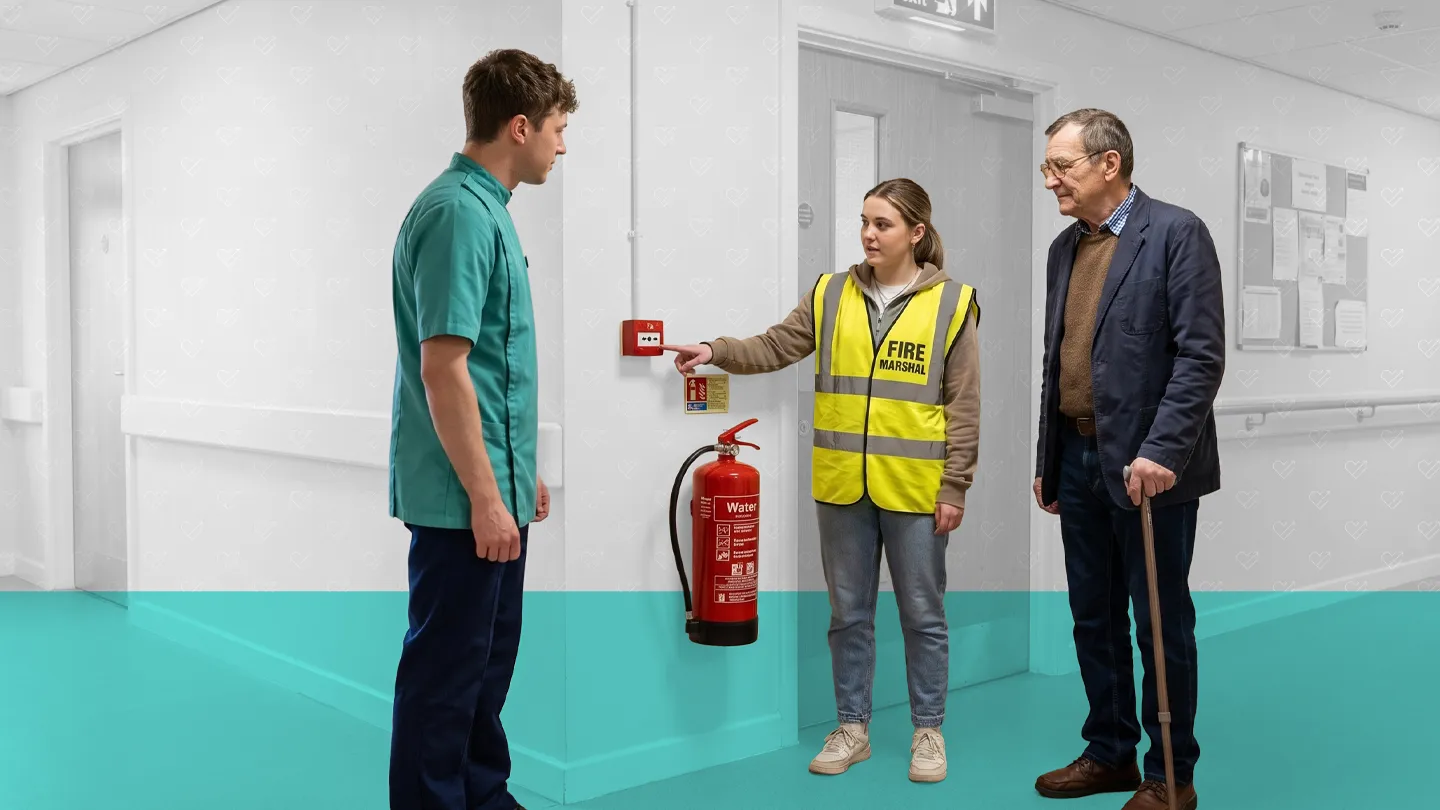
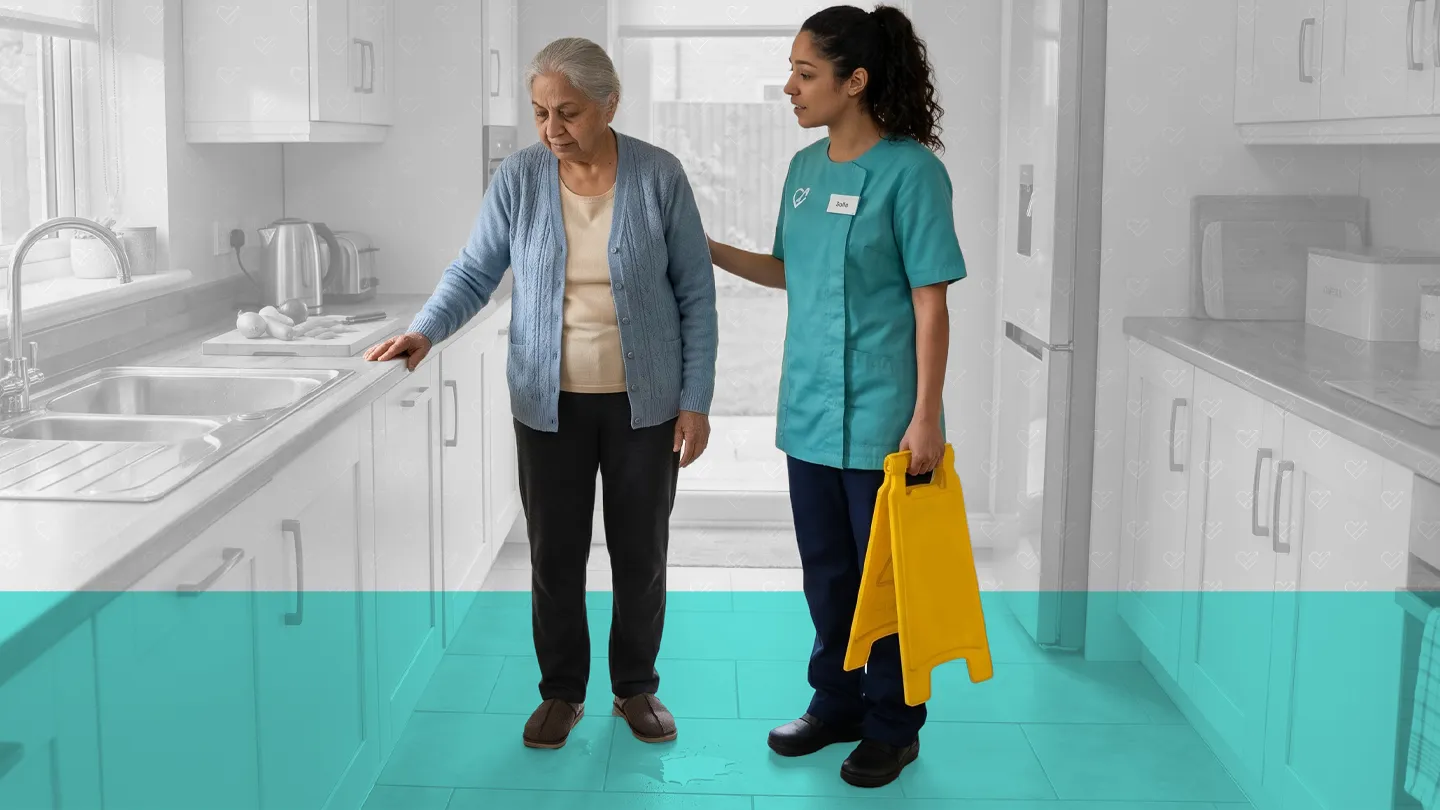
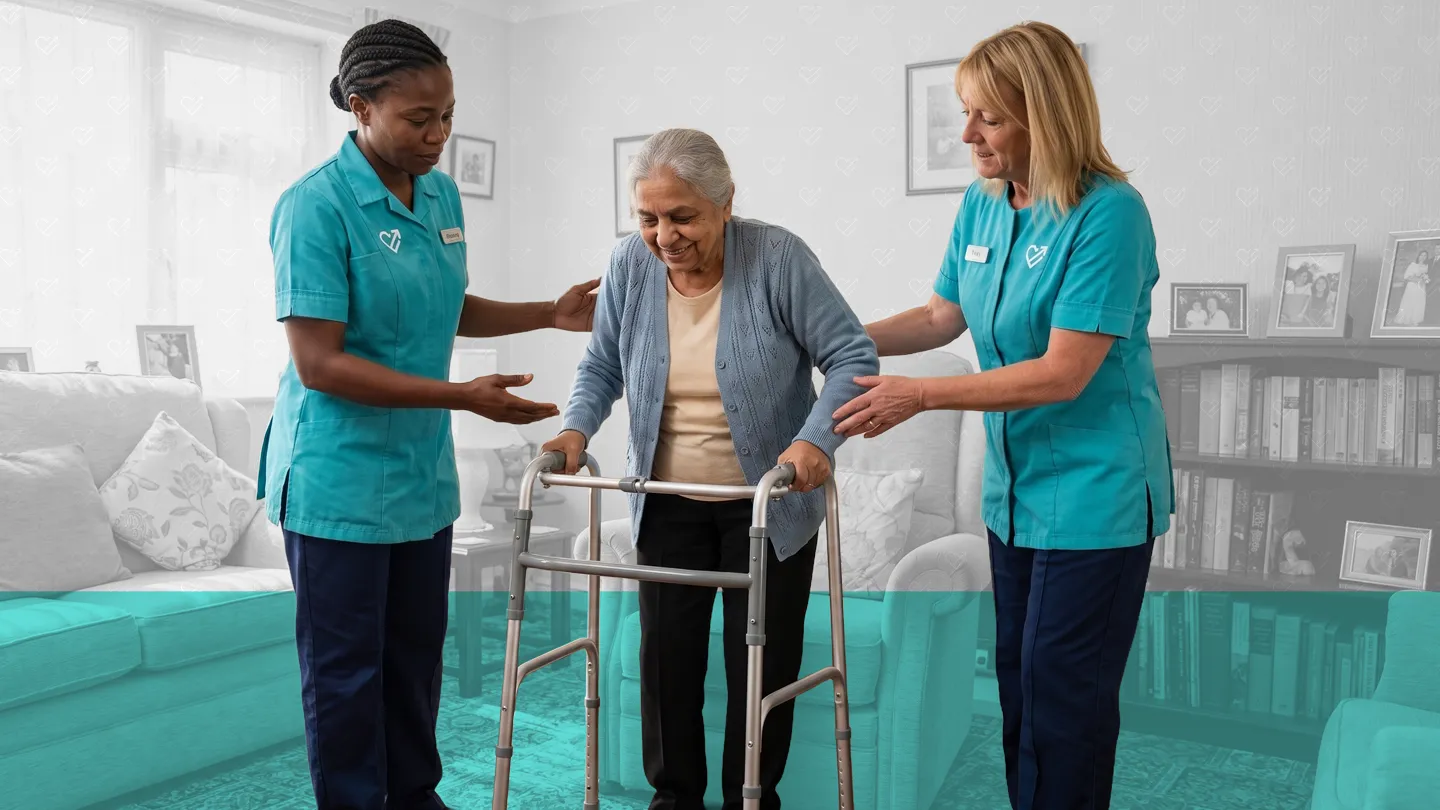
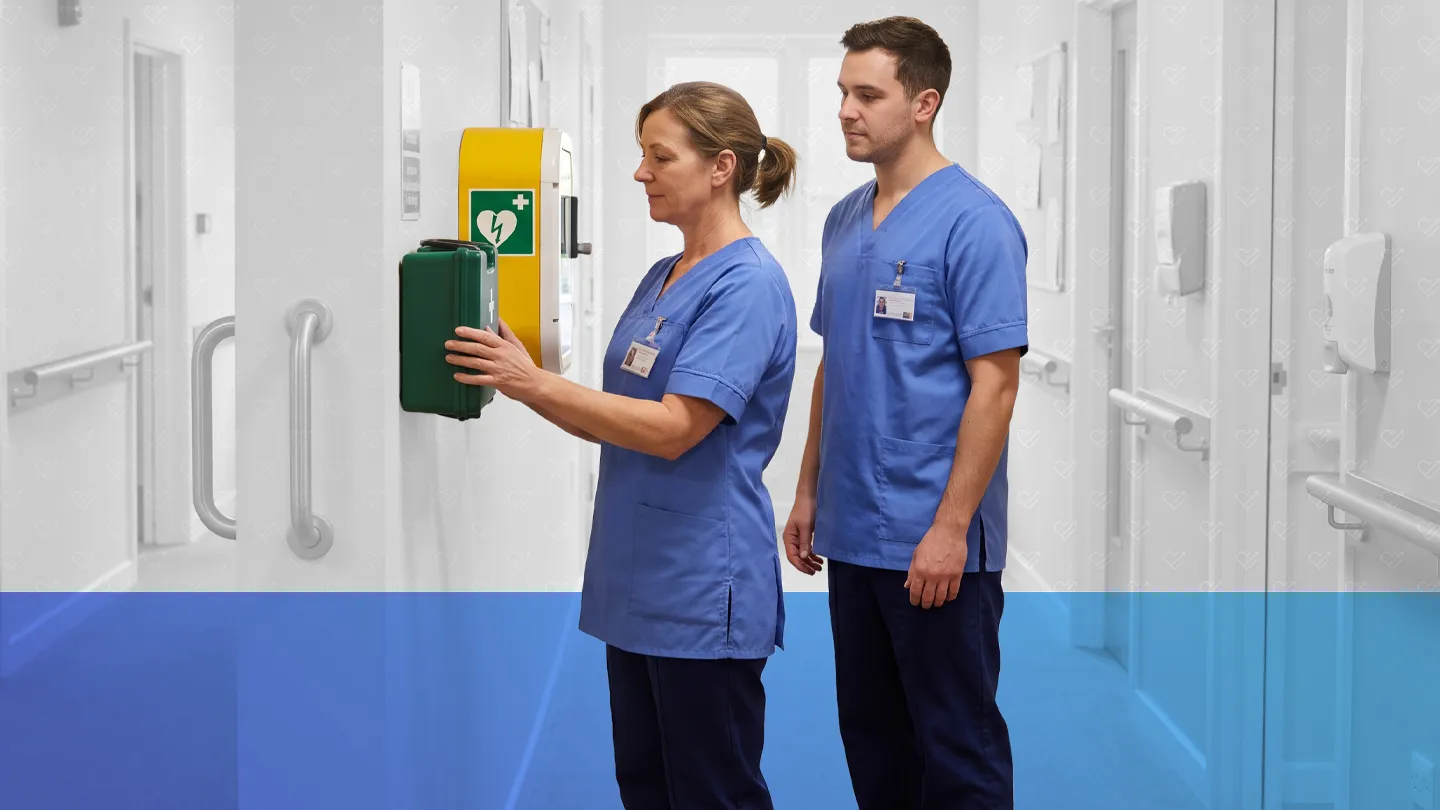
This unit provides learners with the knowledge and skills required to maintain health, safety, and wellbeing in adult social care settings. It covers key legislation, responsibilities, and safe working practices, including risk assessment, moving and assisting, medication, and handling hazardous substances. Learners will understand how to respond to accidents, sudden illness, and emergencies, including the principles of basic life support. The unit also explores fire safety, workplace security, and the importance of maintaining personal mental health and wellbeing. By the end of the unit, learners will be able to work safely, respond effectively to risks and emergencies, and support a safe environment for themselves and others.
Available only in Level 2 Adult Social Care Certificate
This course isn't sold on its own. You get it, with every other course in the pathway, when you enrol on the pathway.
What you'll learn
Course content
35 modules

Specialist
Sophie Barber
A qualified teacher, examiner and content creator, Sophie has over 10 years experience developing resources for examination boards to ensure that they are using effective learning tools. An ex-medic, Sophie has a huge passion for the healthcare profession and the importance of delivering quality care.
Training you can trust
How this course works. You will work through self-paced modules, check your understanding with knowledge checks, and finish with a short assessment. On passing, your CPD-certified certificate is available to download immediately, ready for your CQC evidence file or employer records.
This certificate does not expire.

Accredited by CPD
All of our courses are accredited by the CPD Certification Service as conforming to universally accepted Continuing Professional Development (CPD) guidelines.